What it is
A compounded GLP-1 formulation in a once-weekly injectable format, prepared fresh for each order and shipped with everything you need for at-home use.
GLP-1 and metabolic support
Compounded GLP-1 formulations and metabolic support designed to curb appetite, steady blood sugar and make steady progress feel sustainable.

Your options
Compare formulations and review each treatment’s science, safety information and available options.
Loading treatments…
Understanding the approach
GLP-1 medications work with your body's own hunger signals. They slow digestion, help you feel full sooner and longer, and take the constant mental noise out of eating — so smaller portions start to feel natural rather than forced.
Our compounded formulations are prepared to order at 503A compounding pharmacies and shipped directly to your door on a monthly schedule. Each shipment includes a clear titration schedule, so your dose steps up gradually at a pace your body can adjust to.
Because compounded GLP-1s are prepared per-order, they're often available at a fraction of the cost of brand-name pens — without insurance hoops, prior authorizations, or pharmacy trips.
The evidence
Research describes the studied ingredient, population and delivery method—not a guarantee of results from this compounded formulation. Evidence may be preliminary or based on laboratory, animal or precursor studies. Your clinician determines whether treatment is appropriate. Compounded medications are not FDA-approved.
GLP-1 is a hormone your gut releases after you eat. It tells the brain you are full, slows how quickly the stomach empties, and prompts the pancreas to release insulin when blood sugar rises. Semaglutide is a GLP-1 receptor agonist: it binds to the same receptors as the hormone and keeps that signal active for about a week per dose.
The result is less hunger, fewer cravings, and fullness that lasts longer after smaller meals, so eating less becomes easier to sustain. Research on semaglutide for weight management shows meaningful, sustained weight loss when it is combined with changes to diet and activity.
Elevate Health semaglutide is compounded with vitamin B12 or glycine at a US 503(a) pharmacy. Your provider starts you at a low dose and raises it gradually, which is how most people keep side effects manageable.
STEP 1 (New England Journal of Medicine, 2021): adults without diabetes using weekly semaglutide 2.4 mg lost an average of about 15% of body weight over 68 weeks, compared with about 2% on placebo.
SELECT (NEJM, 2023): in adults with overweight and established heart disease, semaglutide reduced major cardiovascular events by roughly 20% versus placebo.
Oral semaglutide has been studied in the PIONEER and OASIS programs, showing meaningful weight and blood sugar improvements with daily dosing.
GLP-1 and GIP are two hormones your gut releases after you eat. Both signal fullness to the brain and prompt insulin release when blood sugar rises. Tirzepatide binds to both receptors, which is why it is called a dual agonist, and each weekly dose keeps that signal active for about a week.
Acting on two pathways instead of one is studied to produce stronger appetite control and broader effects on blood sugar and insulin sensitivity. Research on tirzepatide for weight management shows meaningful, sustained weight loss when it is combined with changes to diet and activity.
Elevate Health tirzepatide is compounded with vitamin B12 or glycine at a US 503(a) pharmacy. Your provider starts you at a low dose and raises it gradually, which is how most people keep side effects manageable.
SURMOUNT-1 (New England Journal of Medicine, 2022): adults without diabetes on the highest weekly dose of tirzepatide lost an average of about 21% of body weight over 72 weeks.
SURMOUNT-5 (2025) compared tirzepatide directly with semaglutide and found greater average weight loss with tirzepatide.
SURPASS trials in type 2 diabetes showed strong improvements in A1C alongside weight reduction.
GLP-1 is a hormone your gut releases after you eat. It tells the brain you are full, slows how quickly the stomach empties, and prompts the pancreas to release insulin when blood sugar rises. Semaglutide is a GLP-1 receptor agonist: it binds to the same receptors as the hormone and keeps that signal active.
The result is less hunger, fewer cravings, and fullness that lasts longer after smaller meals, so eating less becomes easier to sustain. Because peptides are broken down in the stomach, the oral form is taken on an empty stomach with a small sip of water, and dosed daily rather than weekly.
Elevate Health oral semaglutide is compounded with pyridoxine (vitamin B6) at a US pharmacy in several strengths. Your provider starts you low and raises the dose gradually.
STEP 1 (New England Journal of Medicine, 2021): adults without diabetes using weekly semaglutide 2.4 mg lost an average of about 15% of body weight over 68 weeks, compared with about 2% on placebo.
SELECT (NEJM, 2023): in adults with overweight and established heart disease, semaglutide reduced major cardiovascular events by roughly 20% versus placebo.
Oral semaglutide has been studied in the PIONEER and OASIS programs, showing meaningful weight and blood sugar improvements with daily dosing.
GLP-1 and GIP are two hormones your gut releases after you eat. Both signal fullness to the brain and prompt insulin release when blood sugar rises. Tirzepatide binds to both receptors, which is why it is called a dual agonist.
Acting on two pathways instead of one is studied to produce stronger appetite control and broader effects on blood sugar and insulin sensitivity. Because peptides are broken down in the stomach, the oral form is taken on an empty stomach with a small sip of water, and dosed daily rather than weekly.
Elevate Health oral tirzepatide is compounded at a US pharmacy in several strengths. Your provider starts you low and raises the dose gradually.
SURMOUNT-1 (New England Journal of Medicine, 2022): adults without diabetes on the highest weekly dose of tirzepatide lost an average of about 21% of body weight over 72 weeks.
SURMOUNT-5 (2025) compared tirzepatide directly with semaglutide and found greater average weight loss with tirzepatide.
SURPASS trials in type 2 diabetes showed strong improvements in A1C alongside weight reduction.
STEP 1 (New England Journal of Medicine, 2021): adults without diabetes using weekly semaglutide 2.4 mg lost an average of about 15% of body weight over 68 weeks, compared with about 2% on placebo.
SELECT (NEJM, 2023): in adults with overweight and established heart disease, semaglutide reduced major cardiovascular events by roughly 20% versus placebo.
Oral semaglutide has been studied in the PIONEER and OASIS programs, showing meaningful weight and blood sugar improvements with daily dosing.
SURMOUNT-1 (New England Journal of Medicine, 2022): adults without diabetes on the highest weekly dose of tirzepatide lost an average of about 21% of body weight over 72 weeks.
SURMOUNT-5 (2025) compared tirzepatide directly with semaglutide and found greater average weight loss with tirzepatide.
SURPASS trials in type 2 diabetes showed strong improvements in A1C alongside weight reduction.
Preclinical studies (Biochemical Pharmacology, 2018) found NNMT inhibition reduced fat mass and fat-cell size in diet-induced obese mice without changing food intake.
Human clinical data are still limited; current evidence is primarily from laboratory and animal research.
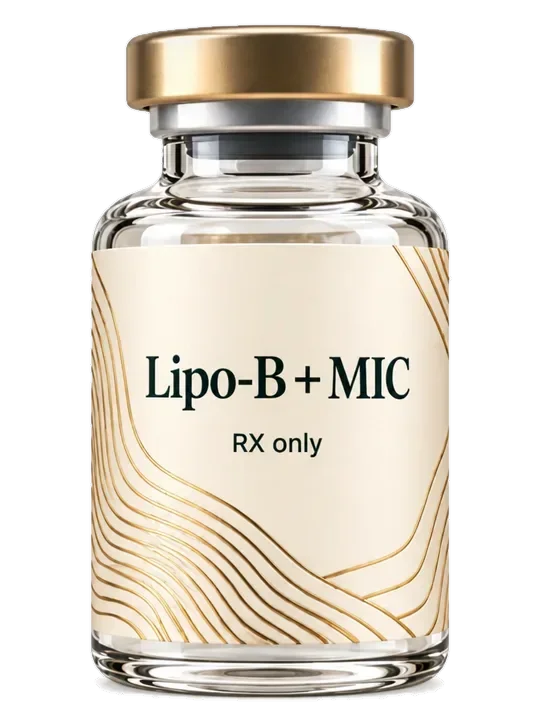
Methionine, inositol, and choline are lipotropic nutrients, which means they are involved in how the liver breaks down and moves fat. Choline is needed to package fat for transport out of the liver, and methionine and inositol take part in the same pathway.
Vitamin B12 is required for red blood cell production and for the enzymes that convert food into usable energy. Low B12 is common in people eating less, which is one reason it is added to weight management protocols.
Lipo-B is injected so the nutrients bypass the digestive tract. It is not a weight loss medication on its own; it is prescribed as support alongside a GLP-1 or a diet and exercise plan.
Vitamin B12 is essential for red blood cell formation and energy metabolism; deficiency causes fatigue (NIH Office of Dietary Supplements).
Choline and methionine are lipotropic nutrients needed for normal fat transport out of the liver.
Ondansetron blocks serotonin 5-HT3 receptors in the gut and in the part of the brain that triggers nausea. Blocking that signal can ease the queasy feeling before it builds.
GLP-1 medications slow how quickly the stomach empties. That is part of how they help you feel full, but it can also cause nausea, especially in the first weeks or after a dose increase.
Ondansetron does not change how your GLP-1 works. It is a tool your provider can add so you can keep going with treatment more comfortably.
Ondansetron has been FDA-approved since 1991 for preventing nausea and vomiting and is one of the most widely used anti-nausea medications worldwide.
Personalized care
Common questions
Your next step